01 · For You
मैं घर मालिक हूं
हम आपको आपके क्षेत्र के एक विश्वसनीय HolaRoof इंस्टॉलर से जोड़ेंगे।
अपने क्षेत्र में इंस्टॉलर खोजेंहम आपको आपके क्षेत्र के एक विश्वसनीय HolaRoof इंस्टॉलर से जोड़ेंगे।
अपने क्षेत्र में इंस्टॉलर खोजेंसंपूर्ण सोलर छत समाधान प्रदान करके अपना व्यवसाय बढ़ाएं।
पार्टनर के रूप में आवेदन करें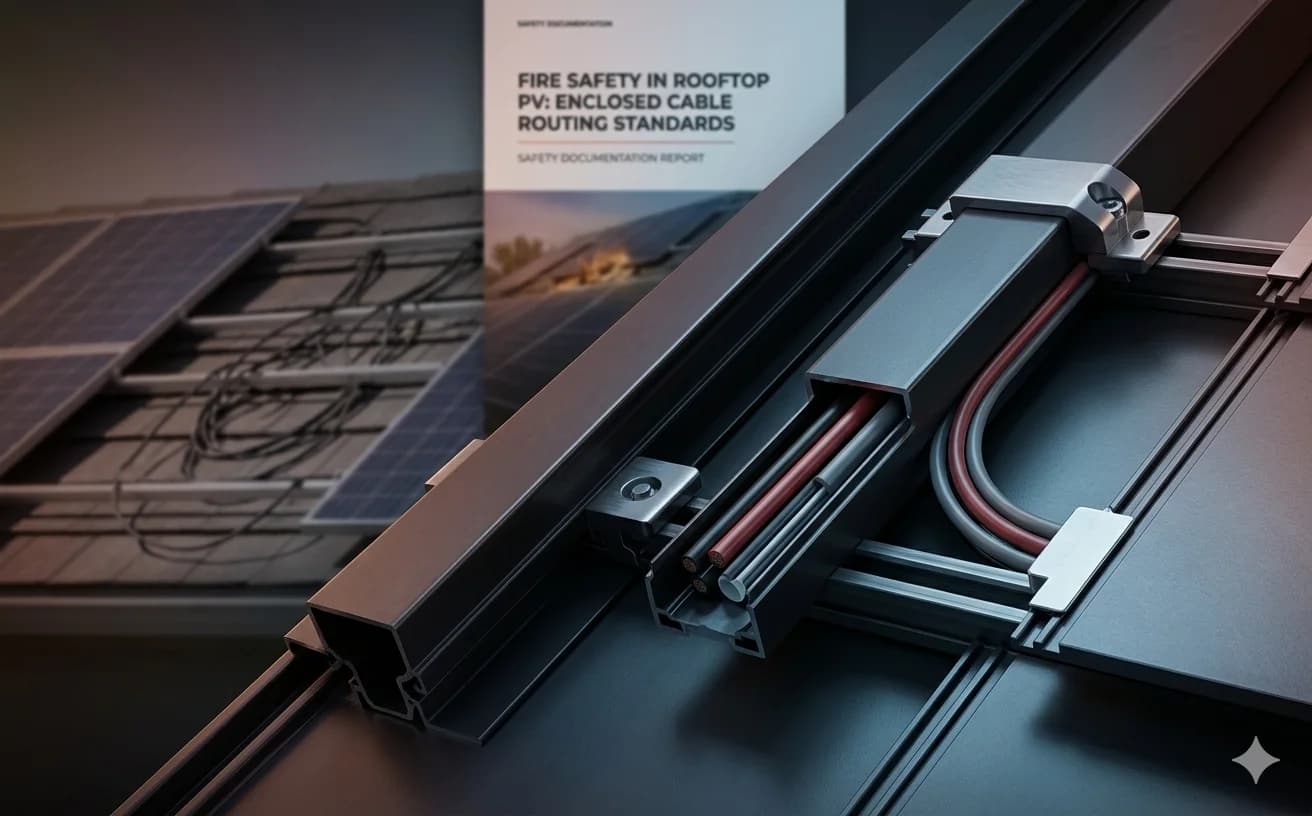
हम अभी भी सोलर छतों का परीक्षण निष्क्रिय रूफिंग उत्पादों की तरह कर रहे हैं, भले ही वे सक्रिय विद्युत प्रणालियों की तरह व्यवहार करती हैं।
सोलर रूफिंग निर्माण में सबसे तार्किक अगले कदमों में से एक होनी चाहिए।
पहले छत बनाना और फिर उसके ऊपर एक दूसरी ऊर्जा-उत्पादक परत माउंट करना बहुत समझदारी नहीं है। एक अच्छी तरह से डिज़ाइन की गई सोलर छत को दोनों काम एक साथ करने चाहिए: भवन की रक्षा करना और बिजली उत्पन्न करना। ठीक से किया जाए, तो यह सामग्री उपयोग को कम कर सकती है, स्थापना समय को छोटा कर सकती है, सौंदर्यशास्त्र में सुधार कर सकती है, और छत को एक सक्रिय भवन संपत्ति में बदल सकती है।
समस्या सोलर रूफिंग का विचार नहीं है।
समस्या यह है कि आज का अग्नि सुरक्षा तर्क पूरी तरह से इस बात से नहीं जुड़ पाया है कि सोलर छतें वास्तव में क्या हैं।
सोलर छत केवल PV जोड़ी गई छत आवरण नहीं है। यह छत असेंबली में एकीकृत एक उच्च-वोल्टेज विद्युत प्रणाली है। इसका मतलब है कि अग्नि सुरक्षा का मूल्यांकन अब केवल इस आधार पर नहीं किया जा सकता कि बाहरी सतह बाहरी आग पर कैसे प्रतिक्रिया करती है। इसका मूल्यांकन इस आधार पर भी किया जाना चाहिए कि प्रणाली के अंदर क्या होता है: मॉड्यूल के नीचे, कनेक्टर के आसपास, केबल मार्गों के साथ, वेंटिलेशन गुहा के भीतर, और अंतर्निहित छत संरचना के इंटरफेस पर।
यहीं आज का अग्नि सुरक्षा दृष्टिकोण अपनी सीमाएं दिखाना शुरू करता है।
पूरे उद्योग में, BRoof(t1) और BRoof(t2) वर्गीकरणों को अक्सर अग्नि सुरक्षा के प्राथमिक प्रमाण के रूप में माना जाता है। ये परीक्षण महत्वपूर्ण हैं। ये बाहरी अग्नि एक्सपोजर का आकलन करने के लिए डिज़ाइन किए गए हैं: जलते ब्रांड, हवा-चालित लपटें, विकिरण, और छत की सतह पर लपट का फैलाव।
यह तर्क पारंपरिक रूफिंग के लिए समझ में आता था। Holaroof वर्तमान BROOF और MCS अग्नि आवश्यकताओं के अनुसार निर्माण करता है; यहां तर्क उनके ऊपर सिस्टम-स्तरीय अग्नि परीक्षण जोड़ने का है, उन्हें प्रतिस्थापित करने का नहीं।
लेकिन कई वास्तविक PV अग्नि जोखिम कहीं और शुरू होते हैं -- DC कनेक्टर, आइसोलेटर, क्षतिग्रस्त केबल, जंक्शन बॉक्स, और मॉड्यूल के नीचे अर्ध-संलग्न गुहाओं में।
एक बार जब प्रज्वलन पैनल के नीचे शुरू होता है, तो निर्णायक प्रश्न अब केवल यह नहीं रहता कि छत की सतह बाहरी आग का प्रतिरोध करती है या नहीं। प्रश्न बन जाता है: प्रज्वलन बिंदु के आसपास कौन सी सामग्रियां, केबल मार्ग और संरचनात्मक परतें हैं?
यह प्रश्न सोलर छत डिज़ाइन की अगली पीढ़ी के लिए केंद्रीय होना चाहिए।
पारंपरिक रूफिंग में, लकड़ी जैसी ज्वलनशील सामग्रियों का पीढ़ियों से सुरक्षित रूप से उपयोग किया गया है। लेकिन सोलर छतें एक अलग जोखिम वातावरण प्रस्तुत करती हैं। वे भवन सामग्रियों को लाइव DC विद्युत प्रणालियों के साथ जोड़ती हैं, जो अक्सर सैकड़ों वोल्ट पर संचालित होती हैं। उस संदर्भ में, ज्वलनशील सामग्रियों को सीधे विद्युत क्षेत्र में रखना एक बहुत अलग इंजीनियरिंग निर्णय बन जाता है।
यह इन-रूफ और BIPV प्रणालियों के लिए विशेष रूप से प्रासंगिक है। इन प्रणालियों में, PV मॉड्यूल केवल छत के ऊपर माउंट नहीं होते। वे छत का हिस्सा बन जाते हैं। विद्युत प्रणाली और भवन आवरण अब स्पष्ट रूप से अलग नहीं हैं। यदि कोई कनेक्टर अधिक गर्म होता है, केबल क्षतिग्रस्त होती है, या DC आर्क फॉल्ट होता है, तो आग छत के ऊपर नहीं बल्कि छत असेंबली के अंदर विकसित हो सकती है।
यह उपसंरचना की भूमिका को बदल देता है।
सोलर छत में, उपसंरचना अब केवल एक माउंटिंग घटक नहीं है। यह अग्नि सुरक्षा रणनीति का हिस्सा बन जाता है। ठीक से डिज़ाइन किए गए धातु बैटन या धातु उपसंरचनाएं एक साथ कई कार्य कर सकती हैं: संरचनात्मक समर्थन, वेंटिलेशन स्थान, ग्राउंडिंग पथ और संरक्षित केबल मार्ग। सबसे महत्वपूर्ण बात, वे उस क्षेत्र से ईंधन हटाते हैं जहां विद्युत विफलताएं होने की सबसे अधिक संभावना है।
धातु सोलर छत को अग्निरोधक नहीं बनाती। कुछ भी नहीं बनाता। लेकिन यह विफलता की गतिशीलता को बदल देती है। यदि कुछ गलत होता है, तो प्रणाली को आग को ज्वलनशील संरचनात्मक परतों में आसान रास्ता नहीं देना चाहिए।
केबल प्रबंधन उतना ही महत्वपूर्ण है।
बहुत सी प्रणालियों में, केबलों को अभी भी एक मुख्य सुरक्षा विशेषता के बजाय स्थापना विवरण के रूप में माना जाता है। उन्हें मॉड्यूल के नीचे ढीले ढंग से रूट किया जा सकता है, नमी, गर्मी, यांत्रिक तनाव, मलबे और दीर्घकालिक घर्षण के संपर्क में। कनेक्टर पैनलों के पीछे छिपे हो सकते हैं, निरीक्षण करना और बदलना कठिन।
यह भवन-एकीकृत विद्युत प्रणाली में एक मामूली विवरण नहीं है।
सोलर छतों में समर्पित केबल प्रबंधन अनिवार्य होना चाहिए। DC केबल और कनेक्टर को यांत्रिक रूप से संरक्षित, ज्वलनशील सामग्रियों से अलग, ड्रेन किए गए, वेंटिलेटेड, स्ट्रेन-रिलीव्ड और निरीक्षण के लिए सुलभ पथों में रूट किया जाना चाहिए। यदि केबल मार्ग अनियंत्रित है, तो आग का जोखिम अनियंत्रित है।
एक और प्रमुख कमजोरी है जिस पर क्षेत्र शायद ही कभी चर्चा करता है: आग के दौरान पहुंच।
कई सोलर छत प्रणालियां इस तरह डिज़ाइन की गई हैं कि छत के बीच में एक पैनल को ऐरे के एक बड़े हिस्से को विघटित किए बिना जल्दी से हटाया नहीं जा सकता। सौंदर्यात्मक या वाटरप्रूफिंग दृष्टिकोण से, यह उचित लग सकता था। अग्नि सुरक्षा के दृष्टिकोण से, यह एक गंभीर सीमा है।
यदि पैनल के नीचे प्रज्वलन शुरू होता है, तो अग्निशामकों को स्रोत तक पहुंच की आवश्यकता होती है। यदि छत को स्थानीय रूप से नहीं खोला जा सकता, तो आग छत गुहा के अंदर छिपी और संरक्षित रहती है। दमन में देरी होती है, क्षति बढ़ती है, और आपातकालीन उत्तरदाताओं के लिए जोखिम बढ़ जाता है।
यह जरूरी नहीं कि खराब इंजीनियरिंग का परिणाम है। कई प्रणालियां वर्षों पहले विकसित की गई थीं, इससे पहले कि बड़े पैमाने पर क्षेत्र अनुभव ने इन विफलता मोड को प्रकट किया। उस समय, मुख्य प्राथमिकताएं वाटरप्रूफिंग, दृश्य एकीकरण, लागत और स्थापना गति थीं। अग्निशामक पहुंच अक्सर मूल डिज़ाइन ब्रीफ का हिस्सा नहीं थी।
लेकिन अब यह होनी चाहिए।
सोलर छतों की अगली पीढ़ी को न केवल आग रोकने के लिए, बल्कि जब कुछ विफल होता है तो नियंत्रित हस्तक्षेप की अनुमति देने के लिए भी डिज़ाइन किया जाना चाहिए। व्यक्तिगत मॉड्यूल पहुंच, स्पष्ट केबल पथ और रखरखाव योग्य सिस्टम वास्तुकला सुरक्षा मानक का हिस्सा बनने चाहिए।
भले ही कई प्रमुख तकनीकी जोखिमों को बेहतर इंजीनियरिंग के माध्यम से कम किया जा सकता है -- धातु उपसंरचनाएं, संरक्षित केबल प्रबंधन, उचित ग्राउंडिंग, आर्क-फॉल्ट सुरक्षा और सर्विस योग्य पैनल डिज़ाइन -- एक महत्वपूर्ण अंतर बना रहता है: अंडरलेमेंट परत।
आज, बाजार में अभी भी लागत-प्रभावी अंडरले समाधानों की कमी है जो सोलर छत प्रणाली और इसके नीचे की ज्वलनशील संरचना के बीच एक सच्ची अग्नि पृथक्करण परत के रूप में कार्य कर सकें। अधिकांश रूफिंग मेम्ब्रेन पारंपरिक रूफिंग के लिए विकसित किए गए थे, जहां प्रमुख अग्नि परिदृश्य बाहरी प्रज्वलन था। वे उच्च-वोल्टेज विद्युत प्रणाली को नीचे की संरचनात्मक परतों से अलग करने के लिए डिज़ाइन नहीं किए गए थे।
उच्च-प्रदर्शन अग्नि-प्रतिरोधी सामग्रियां मौजूद हैं, लेकिन वे अक्सर बहुत महंगी, मानक रूफिंग वर्कफ़्लो में एकीकृत करना बहुत कठिन, या ड्रेनेज, फास्टनिंग और दीर्घकालिक स्थायित्व के लिए अनुकूलित नहीं हैं।
यह सोलर छत सुरक्षा में गायब टुकड़ों में से एक है।
एक वास्तव में अग्नि-प्रतिरोधी सोलर छत को केवल एक सतह वर्गीकरण से अधिक की आवश्यकता है। इसे एक प्रणाली-स्तरीय दृष्टिकोण की आवश्यकता है: गैर-ज्वलनशील आंतरिक परतें, संरक्षित DC रूटिंग, सही ग्राउंडिंग, सुलभ मॉड्यूल, संरचना से अग्नि-प्रतिरोधी पृथक्करण, और वास्तविक विफलता मोड को दर्शाने वाला परीक्षण।
उद्योग को इसे सोलर रूफिंग पर हमले के रूप में नहीं मानना चाहिए। बिल्कुल विपरीत।
सोलर रूफिंग का एक मजबूत भविष्य है ठीक इसलिए क्योंकि अवधारणा इतनी समझदार है। लेकिन यदि क्षेत्र चाहता है कि सोलर छतें मास-मार्केट समाधान बनें, तो सुरक्षा ढांचे को विफलताओं से सार्वजनिक विश्वास को नुकसान पहुंचने से पहले परिपक्व होना चाहिए।
एक बाजार तंत्र भी है जो इस बदलाव को केवल विनियमन से तेज गति दे सकता है: बीमा।
ये जोखिम सोलर क्षेत्र के लिए नए नहीं हैं। विद्युत दोष, कनेक्टर विफलताएं, खराब केबल रूटिंग, ज्वलनशील आंतरिक परतें और कठिन सिस्टम पहुंच पर वर्षों से चर्चा की जा रही है। फिर भी बाजार ने जोखिम को अवशोषित करना जारी रखा है क्योंकि विफलता की लागत अक्सर कहीं और वहन की जाती है -- गृहस्वामियों, बीमाकर्ताओं और आपातकालीन सेवाओं द्वारा।
व्यवहार में, बीमाकर्ता पहले से ही इस बाजार विफलता का एक हिस्सा वित्तपोषित कर रहे हैं।
यदि बीमा कंपनियां निर्णय लेती हैं कि वे टालने योग्य अग्नि-जोखिम स्थितियों वाली सोलर छत प्रणालियों को कवर नहीं करेंगी -- जैसे ज्वलनशील आंतरिक परतें, अप्रबंधित DC केबलिंग, दुर्गम मॉड्यूल, गायब आर्क-फॉल्ट सुरक्षा, या अंतर्निहित संरचना से अपर्याप्त पृथक्करण -- तो उद्योग तेजी से बदलेगा।
निर्माता फिर से डिज़ाइन करेंगे। इंस्टॉलर अनुकूलित होंगे। परीक्षण निकाय अपने तरीकों को अपडेट करेंगे। नियामक अनुसरण करेंगे।
बीमा में अग्नि सुरक्षा को एक अच्छी-होने-वाली डिज़ाइन सुविधा से बाजार आवश्यकता में बदलने की शक्ति है। तेज विनियामक सुधार की अनुपस्थिति में, यह उपलब्ध सबसे प्रभावी लीवरों में से एक हो सकता है।
PV क्षेत्र सस्ता, तेज और अधिक मुख्यधारा बन गया है। लेकिन छत-एकीकृत PV के आसपास सुरक्षा ढांचा उसी गति से विकसित नहीं हुआ है। एक ऐसे बाजार में जहां कीमत अक्सर निर्धारित करती है कि कौन परियोजना जीतता है, हर अतिरिक्त सुरक्षा सुविधा को लागत के रूप में देखा जाता है। बेहतर केबल प्रबंधन में पैसा लगता है। धातु उपसंरचनाओं में पैसा लगता है। अग्नि-प्रतिरोधी अंडरले में पैसा लगता है। सर्विस योग्य मॉड्यूल डिज़ाइन में पैसा लगता है। आर्क-फॉल्ट सुरक्षा में पैसा लगता है।
लेकिन विकल्प की लागत अधिक है।
इसकी कीमत गृहस्वामी चुकाते हैं। इसकी कीमत बीमाकर्ता चुकाते हैं। इसकी कीमत अग्निशामक चुकाते हैं। और अंततः, इसकी कीमत पूरे क्षेत्र की विश्वसनीयता चुकाती है।
ऑटोमोटिव उद्योग ने सीटबेल्ट, एयरबैग, क्रम्पल ज़ोन और अनिवार्य सुरक्षा प्रणालियों को मानकीकृत नहीं किया क्योंकि वे सस्ते थे। उसने ऐसा इसलिए किया क्योंकि वास्तविक-दुनिया की विफलताओं ने साबित किया कि न्यूनतम सुरक्षा धारणाएं पर्याप्त नहीं थीं।
सोलर रूफिंग को उसी तरह की गणना के लिए इंतजार नहीं करना चाहिए।
सोलर छतों के बड़े पैमाने पर अपनाने से पहले, क्षेत्र को एक नए सुरक्षा मानक की आवश्यकता है -- जो सोलर छतों को निष्क्रिय रूफिंग उत्पादों के रूप में नहीं, बल्कि भवनों में एकीकृत सक्रिय विद्युत प्रणालियों के रूप में मानता है।
एक नया मानक वास्तविक विफलता मोड के आसपास बनाया जाना चाहिए, केवल बाहरी अग्नि एक्सपोजर के आसपास नहीं। कम से कम, इसे निम्नलिखित सिद्धांतों को संबोधित करना चाहिए:
लकड़ी और अन्य ज्वलनशील सामग्रियों को सीधे लाइव PV घटकों के नीचे या आसपास प्राथमिक समर्थन या पृथक्करण परतों के रूप में उपयोग नहीं किया जाना चाहिए। छत-एकीकृत प्रणालियों में, आंतरिक संरचना को गैर-ज्वलनशील विद्युत क्षेत्र के रूप में डिज़ाइन किया जाना चाहिए।
अंडरलेमेंट को अब केवल द्वितीयक वाटरप्रूफिंग मेम्ब्रेन के रूप में नहीं माना जाना चाहिए। सोलर छतों में, इसे PV प्रणाली और अंतर्निहित छत संरचना के बीच अग्नि-प्रतिरोधी पृथक्करण परत के रूप में भी कार्य करना चाहिए।
DC केबल और कनेक्टर को समर्पित, यांत्रिक रूप से संरक्षित, ड्रेन किए गए, वेंटिलेटेड और निरीक्षण योग्य पथों में रूट किया जाना चाहिए। एकीकृत छत प्रणालियों में मॉड्यूल के नीचे ढीली केबलें स्वीकार्य नहीं होनी चाहिए।
सोलर छतों को इस तरह डिज़ाइन किया जाना चाहिए कि प्रणाली के बड़े हिस्सों को विघटित किए बिना व्यक्तिगत मॉड्यूल को छत क्षेत्र से जल्दी से हटाया जा सके। यदि पैनल के नीचे आग लगती है, तो उत्तरदाताओं को प्रज्वलन क्षेत्र तक पहुंचने में सक्षम होना चाहिए।
अग्नि सुरक्षा केवल छत संरचना से नहीं आती। यह विद्युत उपकरणों, विशेष रूप से इन्वर्टर पर भी निर्भर करती है। सोलर छत प्रणालियों के लिए आर्क-फॉल्ट सर्किट इंटरप्टर (AFCI) कार्यक्षमता वाले इन्वर्टर या सुरक्षा उपकरणों की आवश्यकता होनी चाहिए। जहां लगाया जाता है, AFCI DC आर्क-फॉल्ट का पता लगाने और बाधित करने के लिए डिज़ाइन किया गया है; इसे आग के खिलाफ गारंटी के रूप में प्रस्तुत नहीं किया जाना चाहिए। PV इन्वर्टरों के लिए स्पष्ट EU-व्यापी AFCI आवश्यकता की अनुपस्थिति एक गंभीर अंतर है, विशेष रूप से छत-एकीकृत प्रणालियों के लिए।
परीक्षण में आंतरिक विद्युत विफलता परिदृश्य शामिल होने चाहिए: नीचे से ऊपर प्रज्वलन, DC आर्क फॉल्ट, कनेक्टर विफलताएं, गुहाओं में ताप संचय, और अंतर्निहित सामग्रियों के साथ परस्पर क्रिया। एक सक्रिय विद्युत छत प्रणाली के लिए निष्क्रिय छत-सतह वर्गीकरण पर्याप्त नहीं है।
सोलर रूफिंग का एक मजबूत भविष्य है।
लेकिन यदि उद्योग चाहता है कि यह सार्वभौमिक बने, तो उसे पहले इसे वास्तव में सुरक्षित बनाना होगा।
सुरक्षा एक अच्छे समाधान या एक बेहतर घटक से नहीं आएगी। यह कई सुरक्षात्मक परतों के एक साथ काम करने के संयोजन से आएगी: गैर-ज्वलनशील संरचनाएं, अग्नि-प्रतिरोधी पृथक्करण, संरक्षित केबल मार्ग, सही ग्राउंडिंग, आर्क-फॉल्ट सुरक्षा, सर्विस योग्य मॉड्यूल, और प्रणाली-स्तरीय परीक्षण। सोलर छत को एक सुरक्षा स्टैक के रूप में डिज़ाइन किया जाना चाहिए, न कि एक प्रमाणन चेकबॉक्स के रूप में।
इस लेख के लेखक सोलर अपनाने में अनावश्यक नौकरशाही या प्रतिबंधात्मक बाधाओं की वकालत नहीं करते। लेकिन जब मानव सुरक्षा शामिल है, तो उद्योग को विफलताओं के आंकड़े बनने से पहले कार्य करना चाहिए। रोकथाम क्षति नियंत्रण से पहले आनी चाहिए -- न केवल गृहस्वामियों और अग्निशामकों की सुरक्षा के लिए, बल्कि पूरे सोलर क्षेत्र की दीर्घकालिक विश्वसनीयता के लिए।
यह लेख सामान्य जानकारी है, प्रदर्शन गारंटी नहीं। प्रत्येक स्थापना के लिए स्थानीय भवन विनियमों और नियोजन नियमों के अनुसार परियोजना-विशिष्ट उपयुक्तता, संरचनात्मक और विद्युत मूल्यांकन आवश्यक है। वेदरटाइटनेस, अग्नि व्यवहार और आउटपुट निर्दिष्ट घटकों, सही स्थापना और मौजूदा भवन की स्थिति पर निर्भर करते हैं। तृतीय-पक्ष डेटा और कीमतें प्रकाशन की तिथि के अनुसार सटीक हैं।